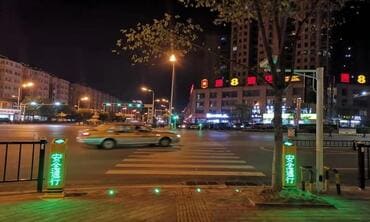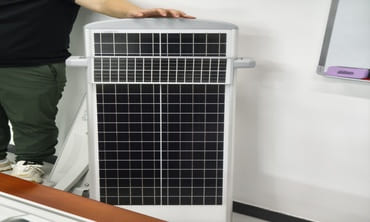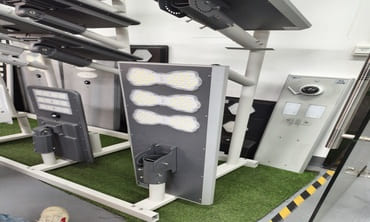
Choosing solar road studs for a highway is not a product comparison problem first. It is a specification problem. The right device depends on the road segment, the traffic and load exposure, the available sunlight, the installation surface and the evidence your tender will accept.
This guide sets out a five-step decision framework: define the road conditions, choose the stud technology, filter models by measurable requirements, check site and maintenance constraints, and prepare an RFQ that suppliers can answer precisely. It is written for contractors, engineers, EPC teams and importers who need a shortlist they can defend in a tender review.
Before comparing any model, collect what is already known about the segment. A stud that suits a lit urban ring road may be the wrong choice for an unlit mountain curve, and one product's published ratings do not transfer to every highway.
Gather these from the approved design documents, the site plan and the road authority's requirements:
A simple decision matrix helps keep these inputs tied to the evidence you will ask for later:
| Road condition | Question to answer | Evidence to request |
|---|---|---|
| Unlit curve or lane edge | Is active illumination required by the project, or is passive delineation acceptable? | Road authority design note; supplier's description of operating modes |
| Position vehicles may cross | What load does the stud need to withstand, and under which test method? | Load test report for the exact model; method and failure criterion |
| Wet or flood-prone section | What ingress protection is claimed, and for which model? | IP test report matched to the offered model |
| Concrete or aged asphalt | Does the mounting method suit this surface? | Installation drawing and manual |
| Partly shaded stretch | Will the solar panel receive enough exposure at this location? | Site survey; supplier's guidance on panel orientation |
| Public tender | Which documents must accompany the bid? | Tender clause list; current datasheet, reports, warranty terms |
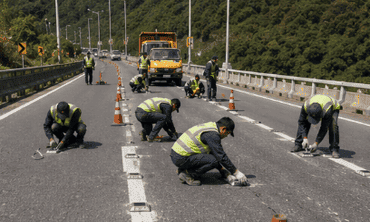
Treat anything not written in the project documents as an assumption, and mark it as one. "The highway needs 30-ton studs" is an assumption until a document says so. The same goes for "solar studs are required here" or "this stud can sit in the wheel path". If a requirement comes from a local standard, cite the clause from the tender document rather than relying on memory or on a supplier's summary. Local rules differ, so this guide does not state any jurisdiction's requirements.
Once the site inputs are clear, decide what kind of device the road segment calls for.
Passive studs, also called reflective studs, return light from vehicle headlights. Active solar studs generate their own light. They typically combine a solar panel, an energy storage component such as a battery or supercapacitor, and LEDs.
"LED versus solar" is therefore a false comparison. The LED is the light source. Solar is the power source that charges the storage. The more useful question is whether the segment needs a device that emits light independently of headlights, and whether you can accept the extra dependencies that come with it: charging exposure, stored energy and maintenance.
Ask for a description of the actual product types on offer and the operating modes each one supports. Request comparative test data only if the supplier can provide it with the test conditions. Do not accept a general visibility distance as a project guarantee, because it depends on conditions that vary from site to site.
A conditional comparison can guide the first screening, but your road authority's design review has the final say:
| Consideration | Active solar studs | Passive reflective studs |
|---|---|---|
| Light source | Own LED light, powered by stored solar energy | Reflect vehicle headlights |
| Depends on sunlight exposure | Yes, for charging | No |
| Depends on stored energy | Yes | No |
| Possible fit | Segments where independent illumination is a stated project need and sun exposure is adequate | Segments where the specification accepts passive delineation, or where charging exposure is poor |
| Main checks | Operating mode, energy storage details, maintenance plan, exposure at site | Reflector performance evidence, condition over time, authority acceptance |
Neither type is better in every case. For an unlit curve, the decision should follow the authority's design requirements and a project risk review, not a general preference.
With the technology class chosen, turn the project requirements into claims a supplier must back with documents. This is where many tender submissions fall short, because a published number is easy to quote and hard to verify.
Load rating. A figure in tons means little without the test method. Ask how the load was applied, what specimen was used, and what counted as failure. Two products with the same stated number may have been tested very differently, so compare ratings only when the methods match.
Ingress protection (IP). An IP rating describes protection against solids and water under a defined test. It does not show load capacity, UV resistance, salt-mist resistance, impact resistance or overall suitability for a road. Treat it as one line in the checklist, not as a performance summary.
Mounting. Confirm the base and fixing arrangement, such as a flat base for adhesive installation or a shank or spike for anchoring, and whether it suits your road surface. Only specify an option if the supplier can supply it for the model you are reviewing.
A report is evidence only for the model, version and configuration it covers. Check the model designation, the revision date, the laboratory, the method and the sample description. If the product has variants in body material, colour, mode or storage component, confirm which variant the report covers.
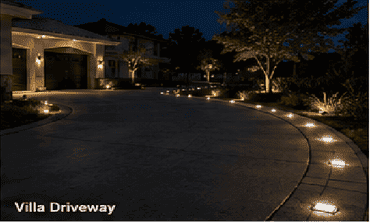
Use a checklist like this when reviewing a shortlist:
| Claim | Evidence to request | Accepted condition (set by your project) |
|---|---|---|
| Load rating | Test report: method, load application, specimen, failure criterion | Matches the tender's required method and value |
| IP rating | Test report for the exact model | Matches the tender's stated IP requirement |
| Dimensions and base type | Current datasheet and drawing | Suits the surface and the installation method |
| Operating mode and colour | Datasheet or manual | Matches the required delineation scheme |
| Energy storage type (if active) | Datasheet | Supplier confirms the type and any options |
| Warranty | Written warranty terms | Duration, scope and exclusions agreed before order |
The "accepted condition" column belongs to you. It should come from the tender, not from a supplier's brochure.
Once your requirements are defined, you can compare against the available solar road stud models. A single model page such as RC-SRS-R1 specifications is a useful example of what to review, but treat any published figure as a claim to verify against the current datasheet and reports. If your project needs help matching a model to a specification, share the road type, surface and tender requirements and ask for the matching technical documents.
A model that passes the paperwork can still underperform if the site works against it. These checks are best done on the drawing and, where possible, on site.
Walk through the segment with a short survey checklist:
Rely on project drawings, the installation manual and photos of comparable applications. Real photos tagged by road segment are far more useful than generic images, so ask suppliers for installation references only if they can document them. Do not assume a single spacing value suits all highways, and do not assume solar charging performs equally in every climate. Both depend on the road design and the local conditions, so follow the project's approved layout.
Review the supplier's road stud installation requirements before final selection, since the installation method can rule out a model. The road stud applications page shows examples of use in context.
A good RFQ is model-neutral where possible. It states the requirement and the acceptance test, and lets suppliers show how their product meets them. This keeps you from locking into one product on the basis of a single published number.
Before sending enquiries, confirm that you can state:
Use a blank specification table so every supplier answers the same questions:
| Item | Information to provide |
|---|---|
| Project and road segment | Location, road type, application (edge, lane marking, curve) |
| Quantity | Total units and any phasing |
| Installation surface | Asphalt, concrete or other; condition |
| Traffic and load context | Where the stud sits and what exposure applies |
| Operating mode | Steady or flashing, colours, one- or two-direction |
| Required tests and certificates | As listed in the tender, with the method |
| Target country and delivery destination | Port or site |
| Tender specification | Clause references or the document itself |
| Deadline | Delivery date and tender closing date |
| Packaging, branding or OEM needs | If applicable |
Do not paste jurisdictional rules into an RFQ from memory. Attach the actual tender clauses.
Ready to compare models against your requirements? Share your project specification to receive a model match and available test documents. Include the road type, installation surface, required quantity, target country, tender specification and any load or IP requirements through the project quotation request form.
No. Suitability depends on the project standard, road geometry, traffic and load exposure, solar exposure, product certification and the installation method. Review each segment against the tender requirements rather than applying one choice to the whole road.
Specify the test method, not only the figure. Ask for the way the load was applied, the specimen tested and the failure criterion. Ton figures cannot be compared fairly without those conditions.
Active studs emit their own light using stored solar energy, while reflective studs return light from vehicle headlights. Which is appropriate depends on the road authority's design and a project risk review. Check solar exposure at the curve and the maintenance plan before deciding.
Send the road segment and location, quantity, installation surface, traffic context, required operating mode, required tests and certificates, delivery destination and tender deadline. Drawings and tender clauses help suppliers respond accurately.